



What You Should Know About Coin Assayers
Coin assayers are experts who test precious metal coins for purity, metal content, and authenticity, historically ensuring mints met legal standards, but today also for bullion investors, often using methods like fire assaying or modern lab tests to determine karat, metal type, and fineness, identifying valuable older coins with specific assayer marks (like ‘Q’ for Atocha coins or ‘F-M’ for Spanish colonial coins) for collectors. They verify if a coin’s composition matches its stamped claims, crucial for trade and investment, with their reputation historically as vital as the gold itself.
What They Do
- Verify Purity: Determine the exact percentage of gold, silver, platinum, or palladium.
- Identify Alloys: Check for other metals mixed in, affecting value.
- Authenticate: Help detect counterfeits, a historical role for mints.
- Provide Value: Assess coins for recycling, refining, or numismatic (collector) value.
How They Do It (Methods)
- Fire Assay: A highly accurate method involving melting a sample to separate pure metal.
- Drilling/Shaving: Taking a small sample from the coin (can reduce collector value).
- Non-Destructive Tests: Digital calipers for diameter/thickness, magnet tests, and sound (ping) tests.
Historical & Numismatic Significance
- Assayer Marks: Initials or symbols (e.g., ‘Q’, ‘R’, ‘F-M’) on older coins identify the assayer, crucial for dating and authenticity.
- Mint Standards: Ensured coins met legal requirements for weight, fineness, and perfection, a practice dating back centuries (like the Trial of the Pyx).
- Collector Value: A coin’s assayer mark and its history (like coins from the Atocha shipwreck or US Assay Office pieces) add significant value.
Modern Assayers
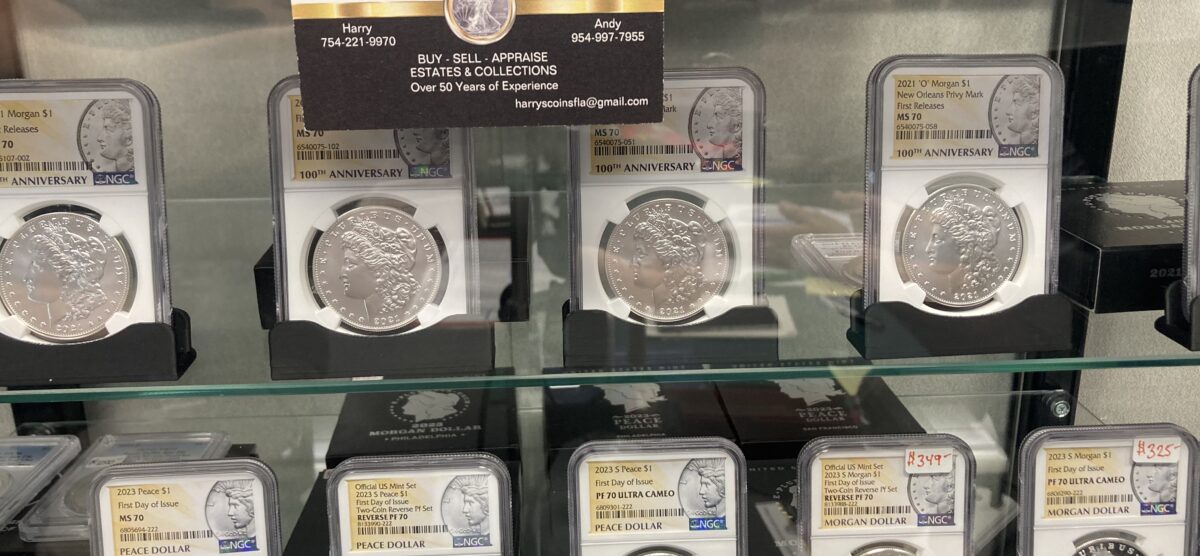
- Include refineries, bullion dealers, and grading services that test for investment-grade precious metals.